

Seven Can Comparison
And the winner is...

Suppressor technology keeps changing. For decades, the technology was essentially the same. The cans were welded baffle stacks, like the one in the cutaway photo of the Otter Creek Labs image below.

There were variations made by different companies to try and change the sound, different materials used, but essentially the technology for suppressing the sound of gunfire changed very little.
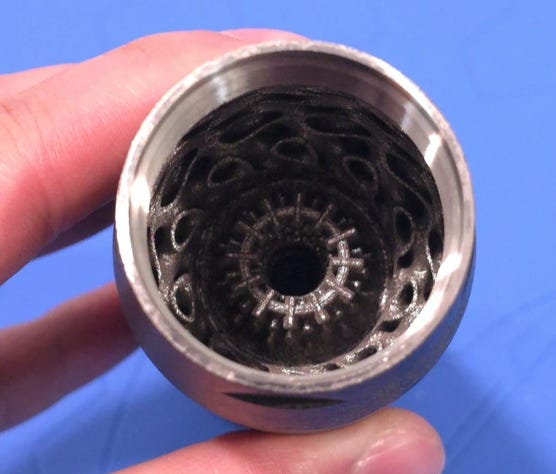
That is until the ability to 3D print suppressors came into being. All of a sudden, manufacturers could do essentially whatever they wanted. If you look into a 3D printed can, you never know what you will find. Some look like some sort of alien hive while others look, well, more terrestrial.
For instance, the inside of a Stealth Additive Works suppressor looks like no can I have ever seen before. The image below (which I stole off the internet) shows you what I am talking about.
So, with all these changes in how cans are produced, what does this mean for the end user? Well, not only does it mean we have lots of options in terms of construction, design, size, and performance, but it also gives us lots of price categories too. Additionally, more and more companies are diving into the market which means those options keep increasing.
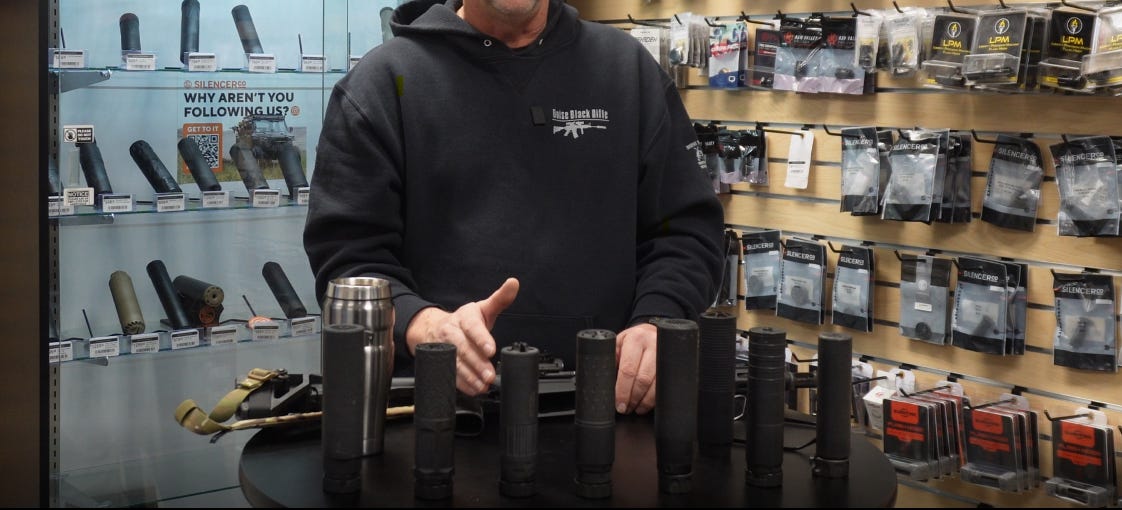
I recently took seven different cans to the range to test them back to back on the same gun. In addition to myself, the entire staff of Boise Black Rifle attended so the opinion at the end is not just mine, it was a consensus. The winner, in our combined opinion, was a suppressor that they did not even carry (yet) at the store.
The cans tested, in the order tested, are as follows:
Surefire RC2
Otter Creek Labs Polonium 5.56
Stealth Additive Works Ekron 5.56
SilencerCo Velos LBP 5.56K (someone forgot the fullsize Velos LBP 5.56)
CAT WB
Dillon Rifle Co Hush Kit 5.56
Exigent Defense Vanish556
The first two cans in that list are traditional welded baffle stack designs, while the remainder are all newer designs intended to lower backpressure and reduce the amount of gas that gets redirected into the shooter’s face. The prices ranged from $550 on the low end to $1500 on the high end.
In the attached video, you get to see and hear all the cans being shot back to back. You will hear some of the discussion about performance, and then I wrap it up at the end and tell you which one we found to be the best choice. With that said, all the cans we shot are solid options. There was not a single bad can in the bunch.